1940 Indian Chief Bluework
First Impressions: Bold and Timeless
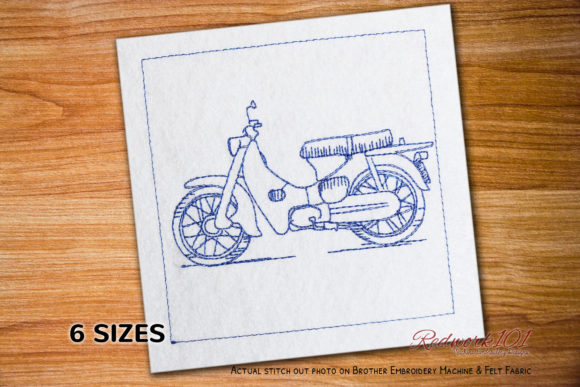
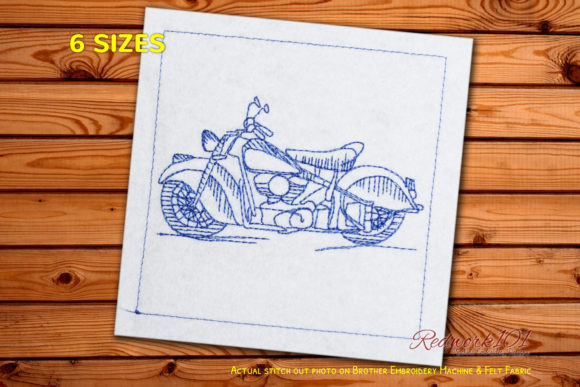
The 1940 Indian Chief Bluework immediately catches the eye with its vintage charm and intricate detail. It feels like a piece of history brought to life through embroidery, offering a blend of nostalgia and craftsmanship. The design carries a rustic yet elegant vibe that appeals to both collectors and everyday crafters. Its blue and white color scheme is clean and versatile, making it suitable for a wide range of products.
Design Versatility Across Craft Fair Products
The 1940 Indian Chief Bluework performs well across various craft fair products, especially when applied to tote bags, aprons, and tea towels. Its detailed patterns make it ideal for embroidered patches and pillow covers, adding character without overwhelming the product. On caps, it works as a subtle accent, while on market bags, it becomes a striking focal point.
For handmade product sellers, the design offers great potential for small shop product lines, especially when paired with other vintage-inspired designs. It also lends itself well to printable mockups, allowing Etsy sellers to showcase their finished products effectively online.
Practical Considerations for Production
When evaluating the 1940 Indian Chief Bluework for production, several practical factors come into play. First, the design’s stitch density needs careful attention. While the intricate details are a strength, they can be challenging to execute consistently, especially on thicker fabrics or curved surfaces like caps. This means testing the design on scrap fabric before full-scale production is essential.
Additionally, the thread colors should be chosen carefully to ensure good contrast against the base fabric. The outer box in most designs is a different color, so it's important to confirm how this will look on various fabric textures, particularly on textured towels or dark fabric.
The hoop size required for the design may also be an important consideration. If the design includes the optional Box Stitch, it could increase the hoop size needed, which might affect the overall efficiency of the embroidery process. Using the right stabilizer is crucial to maintain the design’s clarity and prevent puckering, especially on lighter or more delicate materials.
Selling Points and Customer Appeal
The 1940 Indian Chief Bluework has strong selling points, particularly for commercial embroidery and digital embroidery file users. Its vintage aesthetic appeals to customers looking for unique, handmade items that tell a story. When displayed in a booth, it stands out among other craft fair products due to its distinctiveness and visual appeal.
Customers are likely to notice the 1940 Indian Chief Bluework on tea towel embroidery or apron embroidery because of its clear, defined patterns. These types of products often serve as conversation starters at markets, increasing customer engagement and boosting sales. The design’s visual appeal makes it a valuable addition to any brand consistency strategy, helping to create a cohesive look across all product lines.
Design Notes for Embroidery Designers
As an experienced embroidery designer, I recommend reviewing the 1940 Indian Chief Bluework with a focus on design assets and finished product quality. Before starting production, check the stitch density and ensure that the design doesn’t become too dense in certain areas, which can lead to issues with thread tension and clarity.
It’s also important to consider the small lettering and tiny details in the design. These elements may not show up clearly at smaller sizes, so creating at least one real mockup is highly recommended. This allows you to see how the design looks in person and make any necessary adjustments before mass production.
Lastly, always confirm commercial licensing before selling the finished product, especially if you plan to use the design for digital embroidery file or printable mockup purposes. Ensuring proper rights and permissions helps protect your brand and provides peace of mind for both you and your customers.