Sewing Machine
First Impressions: A Bold and Functional Design
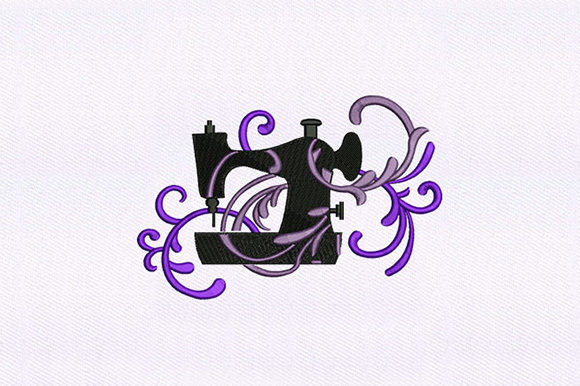
The Sewing Machine design immediately stands out with its clean, recognizable motif. It feels modern and practical, yet it carries a touch of nostalgia that appeals to both crafters and collectors. The title alone suggests functionality and familiarity, making it a strong contender for a wide range of handmade products. Its bold lines and simple shape make it easy to grasp at a glance, which is essential for attracting attention in a busy craft fair booth.
Design Versatility Across Craft Fair Products
The Sewing Machine has a versatile aesthetic that works well on multiple product types. On tote bags, it can serve as a subtle accent or a focal point depending on the placement. For apron embroidery, it adds a functional charm that aligns with the practical nature of aprons. Similarly, on tea towel embroidery, the design remains clear and readable even when viewed from a distance, making it ideal for showcasing in a market setting.
Sewing Machine also performs well on smaller items like embroidered patches and caps. Its geometric form fits neatly on curved surfaces without losing clarity, which is a significant advantage for these applications. When applied to pillow covers or market bags, it maintains its visual appeal and provides a cohesive look across different product lines.
Visual Appeal and Customer Engagement
The Sewing Machine design is visually appealing due to its simplicity and balance. It doesn’t overwhelm the fabric, allowing the texture and color of the base material to shine through. This makes it an excellent choice for handmade products that emphasize quality over complexity.
For online listings, such as Etsy seller profiles or printable mockups, the design photographs well. Its clean lines and high contrast thread colors ensure that it remains legible and attractive even at smaller sizes. This is particularly important for digital embroidery files, where clarity is key for potential buyers to envision the final product.
Practical Production Considerations
When evaluating the Sewing Machine for production, several practical points come into play. First, the design’s stitch density is moderate, which means it’s neither too dense nor too sparse. This makes it suitable for a variety of fabrics, including thick fabric and textured towels, without causing issues during embroidery.
However, there are some considerations to keep in mind. Dense stitch areas or tiny details may not translate well if the design is scaled down, especially on small items like caps or patches. Additionally, designs that rely heavily on thread colors or intricate patterns might lose clarity on dark fabrics, so it’s important to test the design on different materials before mass production.
Design Assets and Commercial Licensing
To ensure a successful product line, it’s crucial to review all design assets thoroughly. Check the hoop size and confirm that the Sewing Machine design fits comfortably within standard embroidery hoops. Also, verify the stabilizer requirements to prevent puckering or distortion during stitching.
Before selling finished products, confirm that you have the appropriate commercial licensing for the digital embroidery file. This ensures that your business operates within legal boundaries and protects your brand integrity.
Booth Display and Brand Consistency
In a craft fair booth, the Sewing Machine design should be showcased in a way that highlights its versatility and appeal. Use a mix of products—like handmade products such as tote bags, aprons, and caps—to demonstrate how the design can be applied across different categories. This approach reinforces brand consistency and helps customers see the value in your offerings.
Consider using printable mockups to create eye-catching displays that attract passersby. These visuals help set the tone for your booth and make it easier for customers to imagine the finished products in their own homes or businesses.
Final Thoughts on Sewing Machine
The Sewing Machine is a well-rounded design that offers great potential for craft fair sellers and handmade creators. Its simplicity, clarity, and adaptability make it a strong candidate for a wide range of small shop product lines. By paying attention to practical details like stitch density, thread colors, and fabric texture, you can ensure that your finished products meet the highest standards of quality and appeal.
As an experienced embroidery designer, I recommend testing the design on scrap fabric and creating at least one real mockup before moving to full production. With careful planning and execution, the Sewing Machine can become a standout item in your collection, driving both customer engagement and sales at your next craft fair or market event.